



 Sign-In / Register


Quick Summary
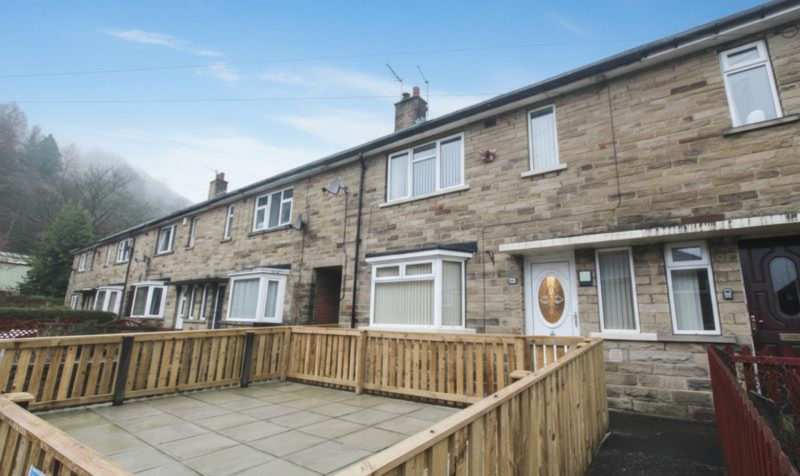
- Most Pennine homes are older stone properties with traditional construction methods
- Roof wear and weather exposure are common survey findings
- Damp often relates to ventilation rather than structural failure
- Minor movement is typical in sloping terrain but must be assessed properly
- Missing building regulation approval can affect mortgage lending
- Local interpretation is essential before renegotiating or withdrawing
If you are buying property in the Pennines and your survey report has just arrived, you are probably feeling one of two things.
Relief. Or concern.
I deal with buyers at this exact stage every week. The offer has been accepted. The excitement is there. Then the building survey highlights damp readings, roof wear, structural movement, or missing paperwork. Suddenly the focus shifts from viewings to risk.
In the current Pennine property market, buyer demand remains steady for stone terraces, cottages, and larger rural homes. Property prices in sought after villages continue to hold firm. But survey findings still influence negotiations, lender decisions, and final sale prices.
If you are an overseas buyer or relocating from another part of the country, understanding what these survey issues actually mean in local context is essential.
Here are the five survey issues that most commonly affect Pennine property sales and how they impact your purchase.
1. Solid Stone Construction and Property Age
A large proportion of Pennine homes were built in the nineteenth or early twentieth century. Solid stone walls. No cavity insulation. Traditional lime mortar.
Surveyors regularly note absence of a damp proof course, limited insulation performance, and historic movement in masonry. For buyers unfamiliar with older UK housing stock, this can read like a list of structural problems.
Most of the time, it is not.
Solid stone properties behave differently from modern builds. They absorb and release moisture naturally. They were not designed to be airtight. When modern materials such as cement pointing or impermeable render are added, moisture can become trapped and create issues that appear more serious than they are.
Recently, we managed a sale where a survey referenced historic cracking and no visible damp proof course. The buyer initially considered withdrawing. After clarification from a local surveyor, it was clear the movement had long stabilised and the construction type was typical for the area. The transaction completed without issue.
Understanding the difference between age related characteristics and genuine structural risk is critical before renegotiating or pulling out.
2. Roof Wear and Weather Exposure
The Pennines experience high rainfall and strong winds, particularly in elevated villages. Over decades, this affects roofing materials, chimneys, flashing, and guttering.
Survey reports commonly highlight slipped slates, ageing felt, chimney stack deterioration, and worn drainage systems. These findings often sound urgent in writing.
In practice, many are maintenance items rather than full roof replacement scenarios.
In one recent case, an overseas buyer received a survey indicating roof defects and assumed significant cost. A follow up contractor inspection confirmed targeted repairs were sufficient. The buyer negotiated a fair reduction and moved forward confidently.
The key issue is whether water ingress has affected structural timbers or internal ceilings. That is where costs rise and mortgage lenders may request additional reports.
Roof comments are common in Pennine surveys. They are not automatically deal breakers.
3. Damp, Condensation, and Ventilation
Damp causes more anxiety than almost any other survey finding.
Older stone homes were designed for airflow. When ventilation is restricted or properties are left unheated, condensation builds quickly. Surveyors often record elevated moisture readings, condensation risk, or limited subfloor ventilation.
For overseas buyers who may not occupy the property year round, this is especially relevant.
Not all damp is rising damp. Much of it relates to airflow, heating patterns, and maintenance. Blocked external drains, defective pointing, or poor bathroom extraction can all contribute.
We recently advised a buyer whose survey flagged basement damp. Further investigation showed blocked guttering and inadequate ventilation. The cost to resolve was modest. The purchase proceeded with a small price adjustment.
Before reacting emotionally, identify the source. Penetrating moisture, condensation, and structural damp carry very different implications.
4. Structural Movement on Sloping Terrain
The Pennine landscape is defined by hills and varied ground conditions. Minor settlement in older properties is common.
Surveyors frequently mention hairline cracks, slight sloping floors, or movement around window openings. For buyers unfamiliar with older rural housing, this can immediately raise concerns about subsidence.
There is an important distinction between historic movement that stabilised decades ago and active structural movement.
In one hillside transaction, a retaining wall was flagged for movement. The lender requested clarification. An engineer confirmed the movement was historic and stable. The mortgage offer remained intact and the sale completed.
Movement must be assessed carefully, especially if mortgage dependent. But not every crack indicates structural failure.
5. Renovations Without Building Regulation Approval
This issue can have direct financial consequences.
Loft conversions, extensions, and internal wall removals are common in Pennine properties. Surveyors often highlight missing building regulation certificates, inadequate structural supports, or outdated electrics.
If documentation is missing for structural work, lenders may require indemnity insurance or additional inspections. In some cases, it can delay exchange or affect loan terms.
We recently handled a transaction where a loft conversion lacked approval paperwork. The buyer negotiated a price reduction and secured indemnity cover before proceeding. The issue was managed without collapsing the sale.
Well executed renovations can increase property value and strengthen resale appeal. Poorly documented work can complicate financing and future transactions.
Due diligence here protects both your immediate purchase and long term investment.
What This Means for Buyers Right Now
If you are currently reviewing a survey report for a Pennine property, the most important question is not whether issues exist.
It is whether those issues are typical, manageable, or genuinely serious within the context of local construction and market conditions.
Survey findings often create opportunity for renegotiation. They can also provide reassurance once properly understood.
Before making a final decision, ensure you have local interpretation rather than relying solely on written survey language.
Why Buyers Work with Face to Face Estate Agents
Local Knowledge That Changes Decisions
Face to Face Estate Agents operate within the Pennine communities they represent. They understand local construction styles, common survey patterns, and how lenders typically respond to certain findings.
Experience Handling Survey Negotiations
They regularly manage transactions where survey reports influence pricing. That experience allows buyers to approach renegotiation strategically rather than emotionally.
Clear View of Current Market Conditions
With steady buyer demand in desirable villages, over negotiating can risk losing a property. Under negotiating can mean overpaying. Accurate local pricing insight protects your position.
Support for Overseas and Relocating Buyers
Time zone coordination, survey access, solicitor communication, and lender updates require organisation. Their team provides consistent guidance throughout the conveyancing process.
If you are reviewing a survey now or actively searching for property in the Pennines, speak with Face to Face Estate Agents before making your next move.
You can view current Pennine property listings through their website or request a direct consultation to discuss your survey findings in confidence.
Frequently Asked Questions
Are survey issues normal when buying in the Pennines?
Yes. Due to the age and construction of many properties, survey reports commonly identify maintenance needs and traditional building characteristics. These findings are part of buying older housing stock. The key is distinguishing between routine upkeep and serious structural risk.
Should I renegotiate based on my survey report?
Often, yes. If the survey identifies repair costs or missing documentation, you may be able to request a price adjustment or ask the seller to resolve specific issues. The strength of your negotiation position depends on current market demand and the severity of the findings.
Can survey issues affect my mortgage offer?
They can. Lenders may request further reports if movement appears active or structural alterations lack approval. In most cases, additional clarification satisfies lender requirements. Severe unresolved issues may influence loan terms.
I am buying from overseas. What is my safest next step?
Discuss the survey findings with a local agent who understands Pennine construction and current lending expectations. That additional layer of insight helps you avoid withdrawing unnecessarily or proceeding with unmanaged risk.
Final Thoughts
Buying property in the Pennines offers character, long term appeal, and strong community demand. It also requires realistic expectations about age, terrain, and maintenance.
Survey reports are not obstacles. They are decision tools.
If you are serious about securing the right Pennine property, review current listings with Face to Face Estate Agents or arrange a direct consultation to discuss your survey report before exchange.
Clear guidance now can protect your investment for years to come.